
Why is a cab filtration and pressurisation system needed?
During cultivation, disc harrowing and harvesting, machinery operates amidst dust, pollen and plant debris, whilst during spraying it is exposed to potential exposure to plant protection products. For the operator’s comfort, it is important not only to maintain an optimal temperature in the cab, but also to ensure a supply of clean air. Pressurisation creates positive pressure which, provided the cab is properly sealed and suitable filters are used, helps to reduce the ingress of dust and other contaminants from outside. Combined with the standard heating and air-conditioning system, this helps to maintain a comfortable microclimate whilst working.
For air filtration and forced ventilation, the Italian company AUTOCLIMA has developed the TAMANDUA (Air Pressurizer). It combines a blower and filters in a single housing and creates positive pressure in the cab.
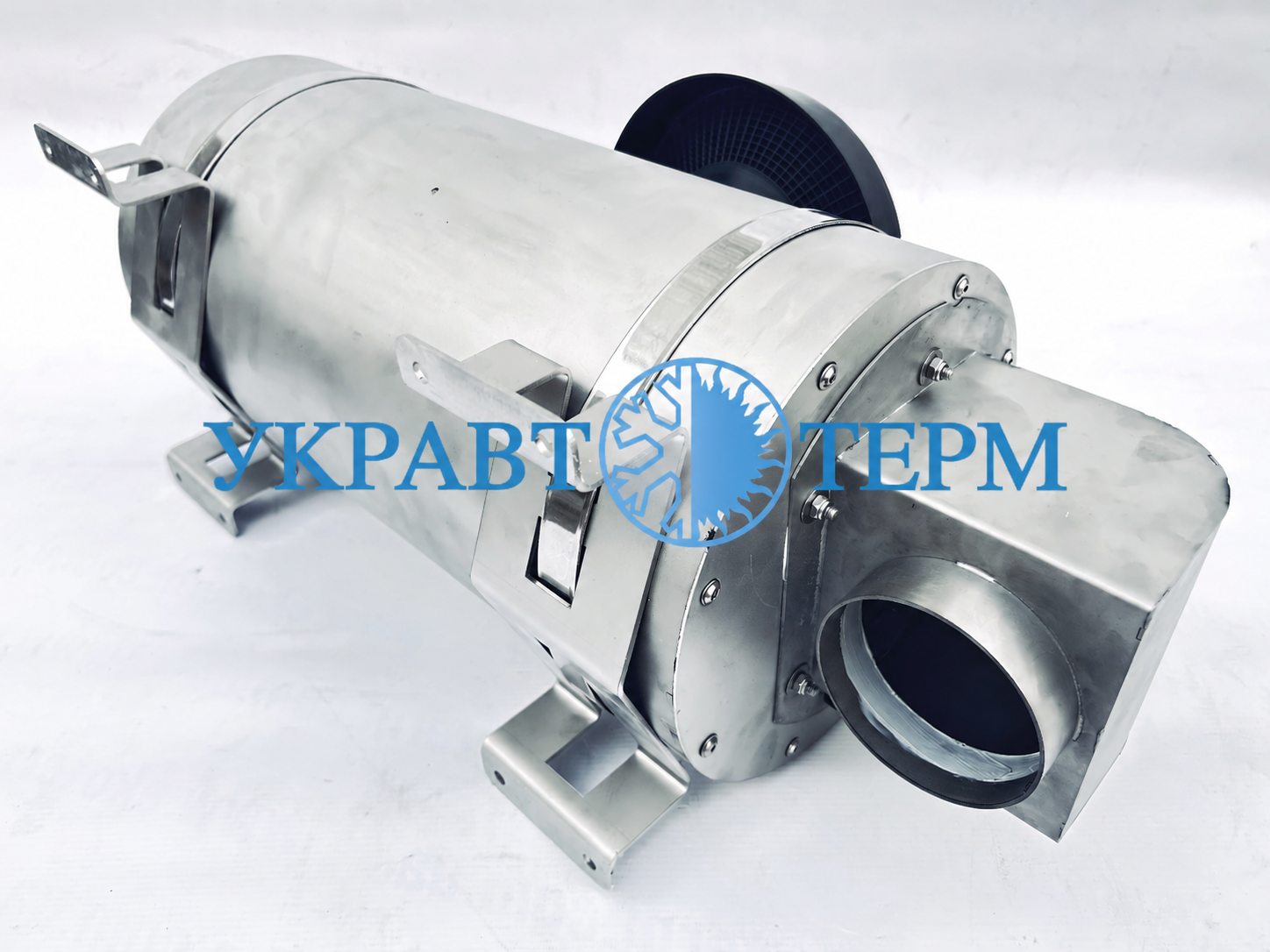
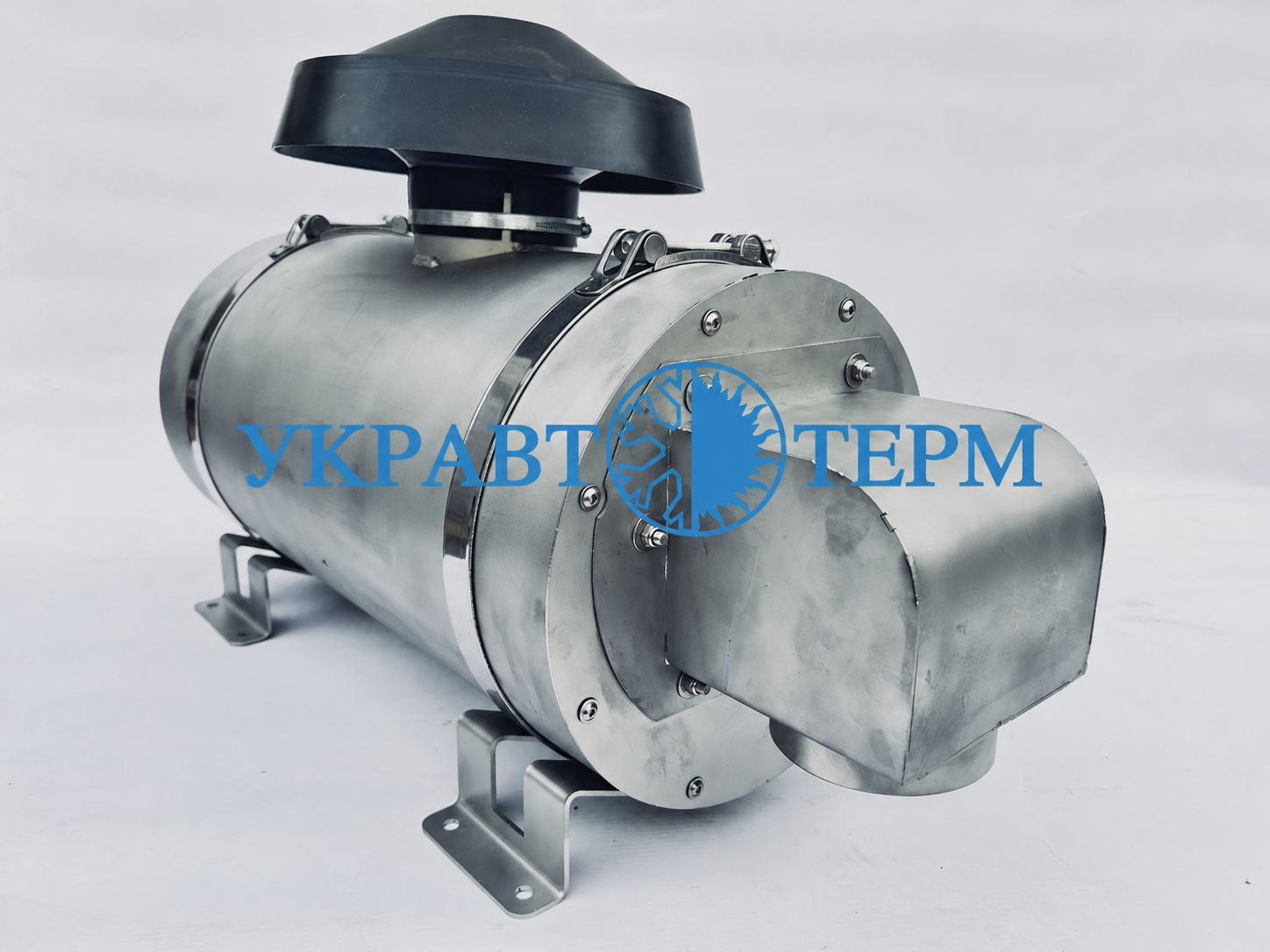
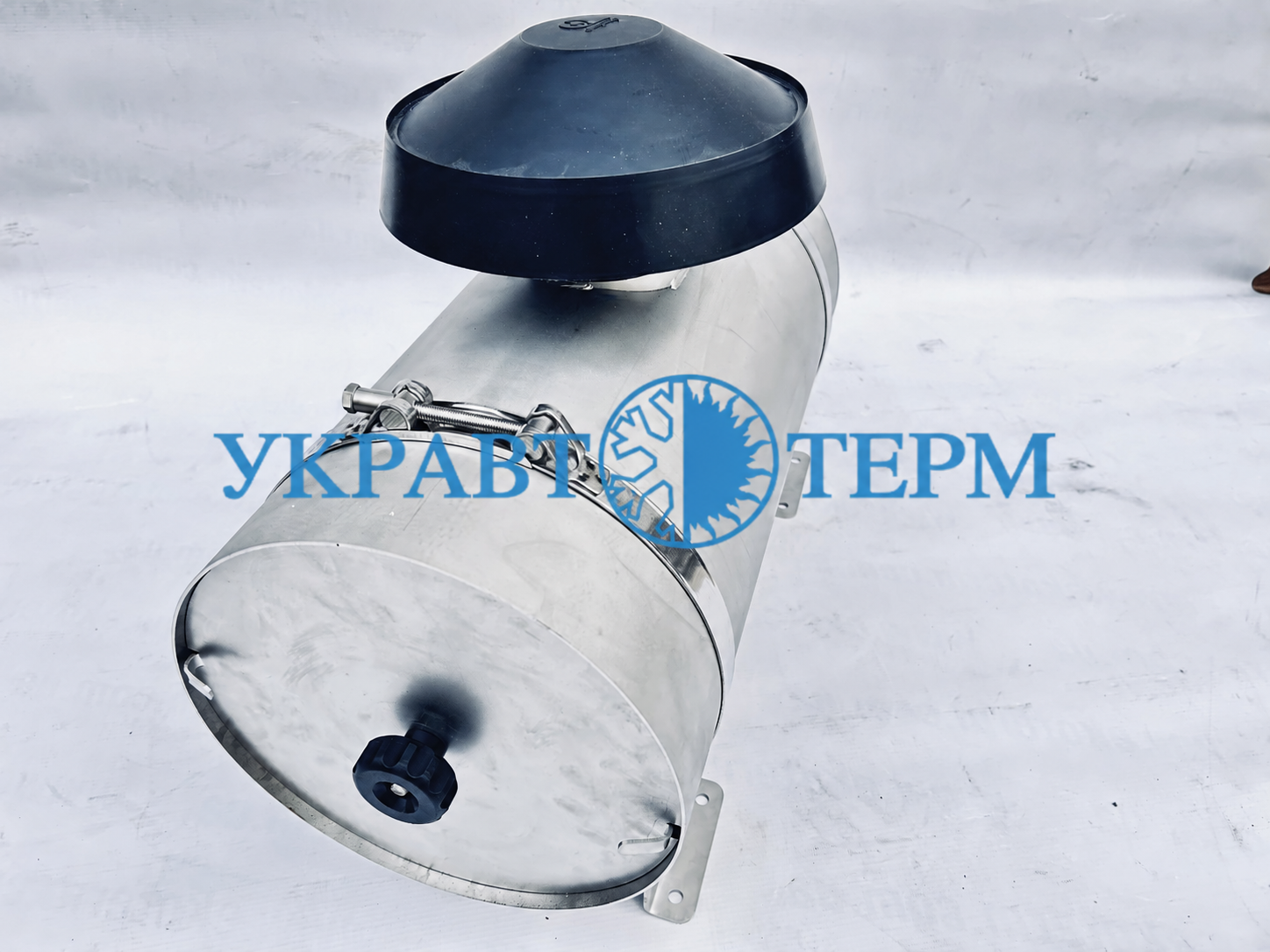
Areas of application for TAMANDUA systems:
- Operator cabs of agricultural, construction, specialised and mining machinery: tractors, combine harvesters, self-propelled sprayers, front-end loaders, excavators, bulldozers, graders, drilling rigs, quarry dump trucks and harvesters, as well as compressor stations.
- Premises with high air purity requirements: electrical control rooms, field offices, server rooms, rooms housing communications equipment and control cabs for crushing plants.
What does the TAMANDUA system consist of?
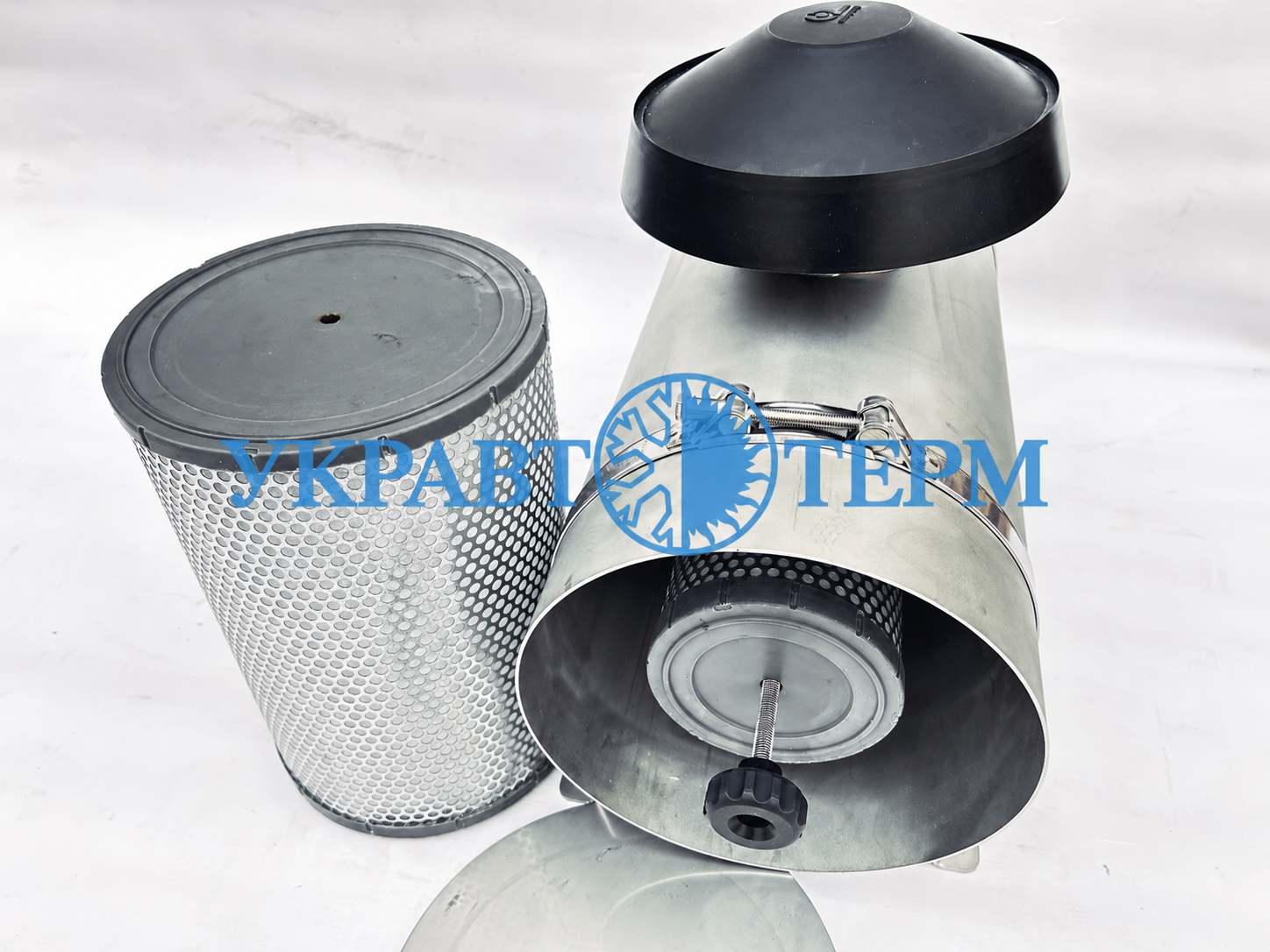
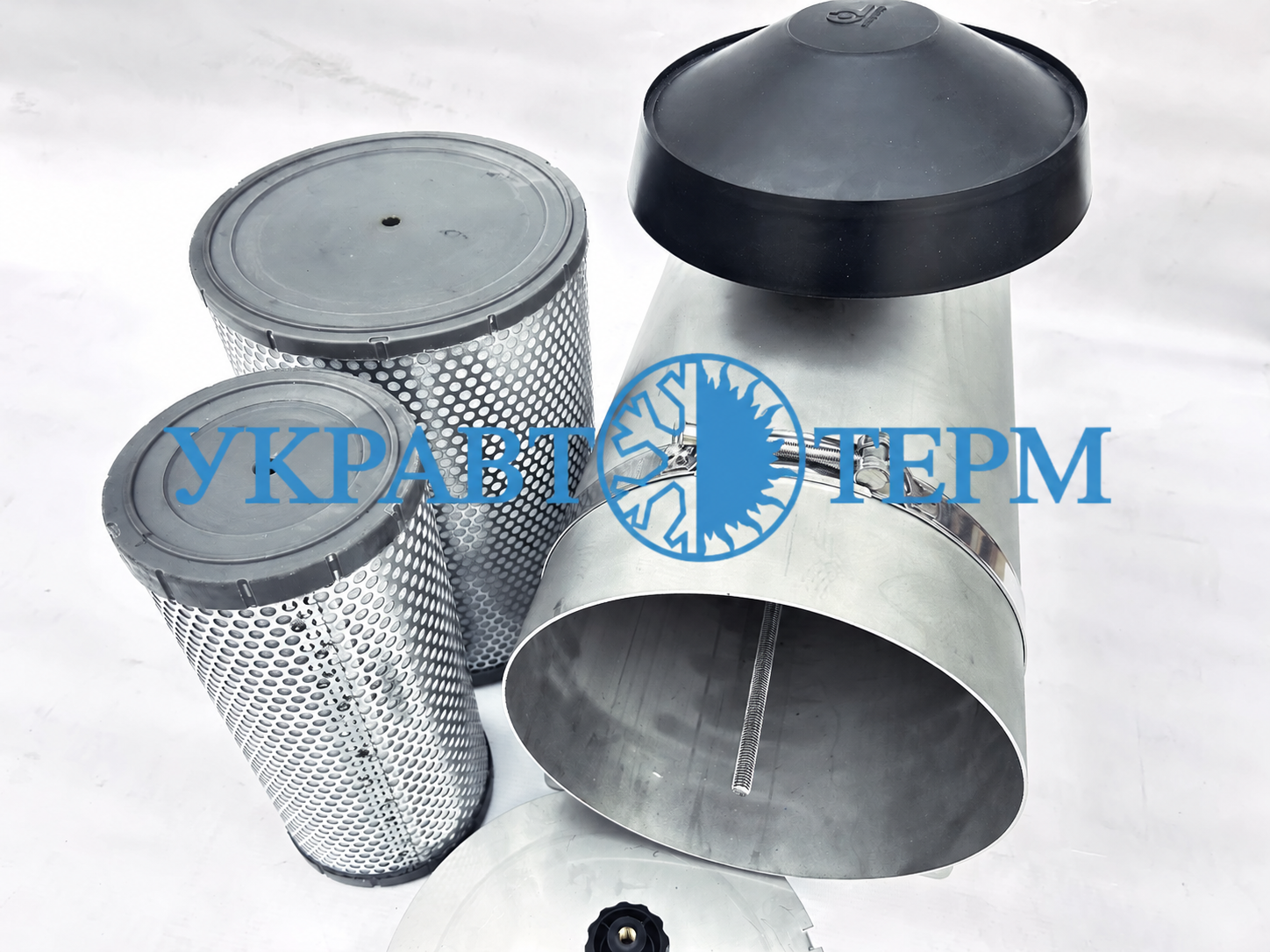
The TAMANDUA's cylindrical housing contains a pre-filter and a main filter. Air is supplied by an electric fan, which has three speed settings. The design also includes a cover, a diffuser, electrical wiring, mounting brackets and fixing clamps. A corrugated air duct is used to connect to the air conditioning system.
TAMANDUA is available in 12 V and 24 V. The version should be selected according to the voltage of the vehicle’s electrical system.
TAMANDUA dimensions and air duct connections
The length of the main body of the TAMANDUA is 571.5 mm, whilst the additional projection of the ventilation unit is 130 mm. The diameter of the cylindrical housing is 273 mm, and the total height including the mounting bracket is 310.86 mm.
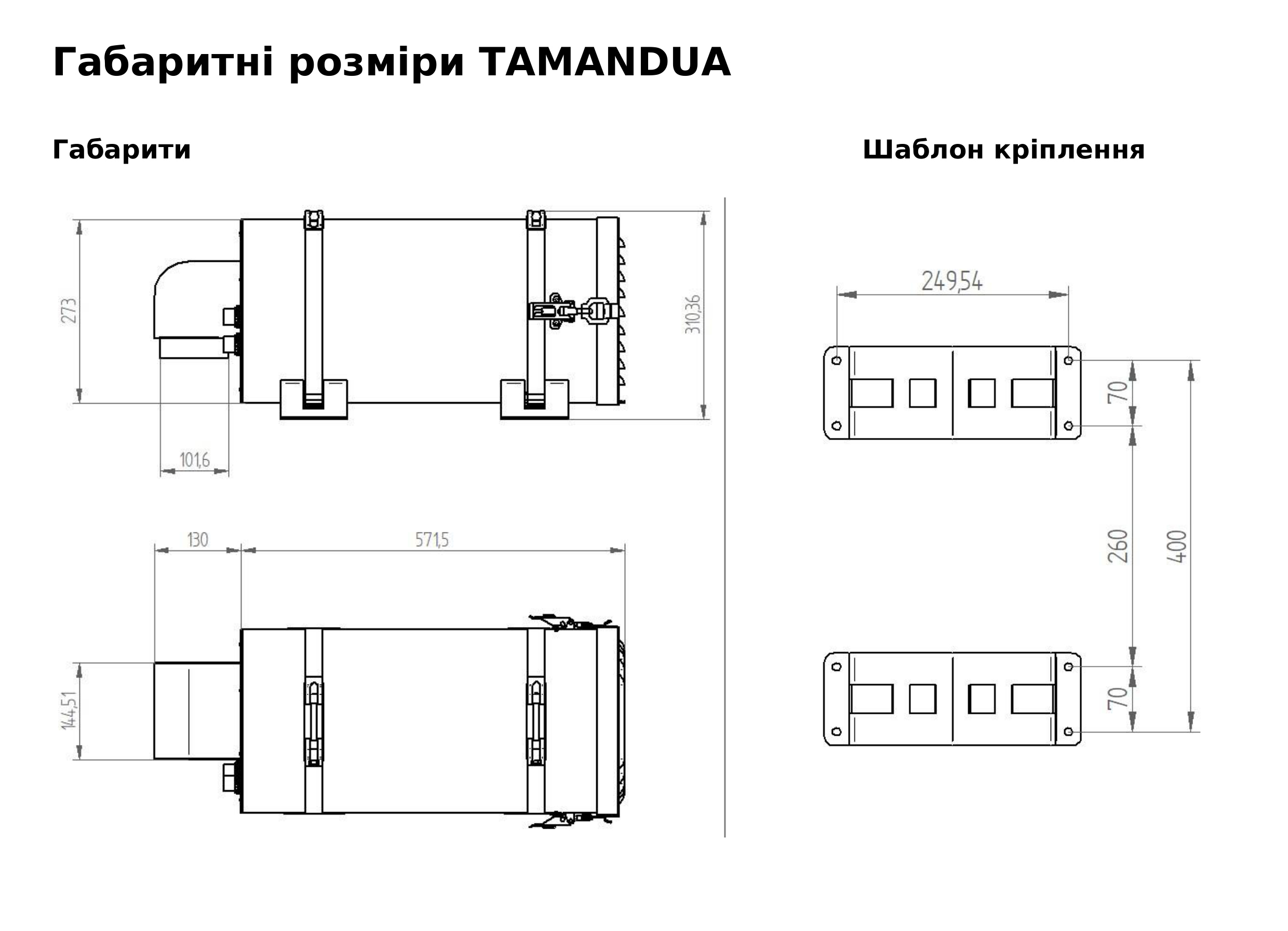
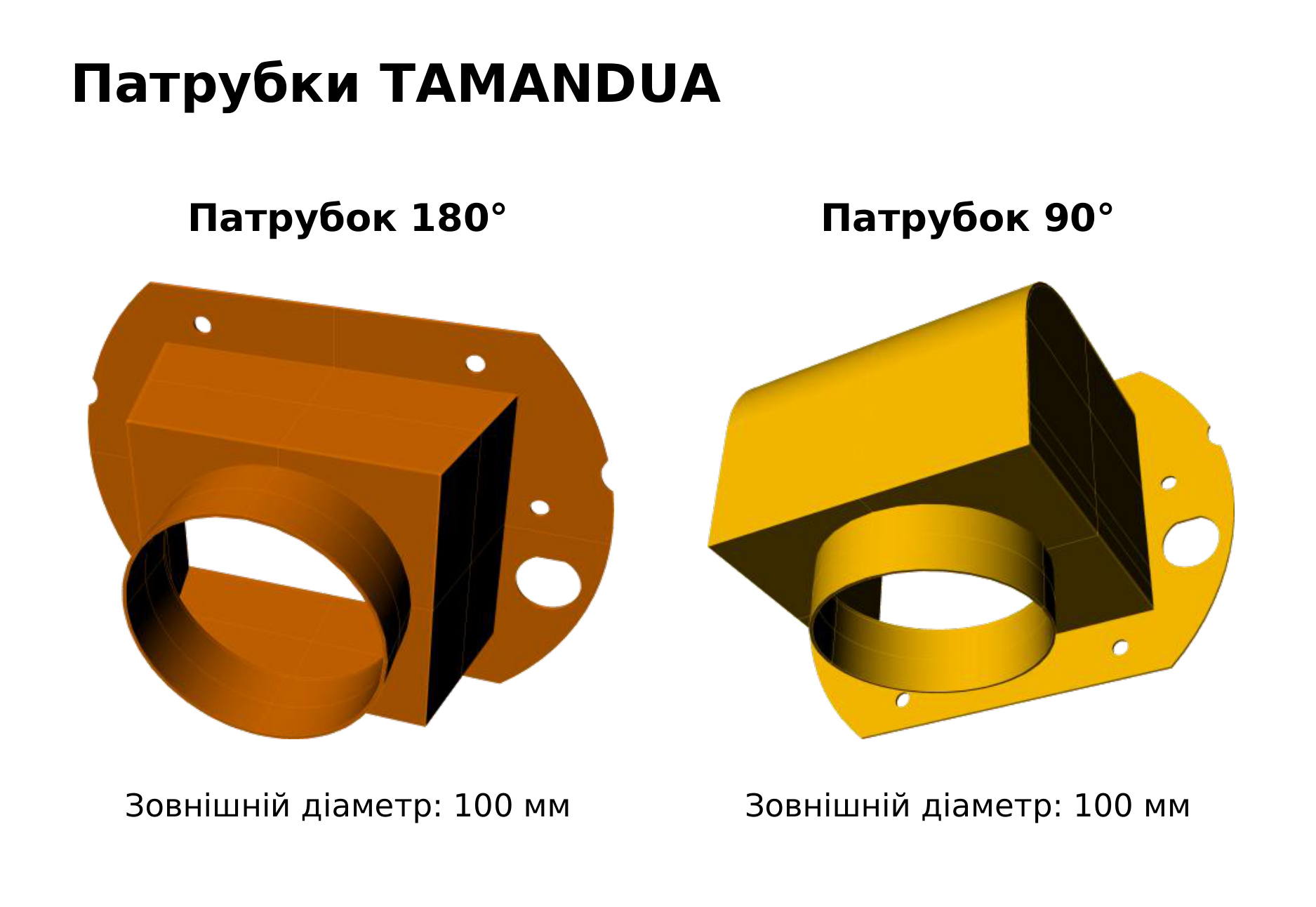
For connecting the air duct, 90° and 180° connectors with an external diameter of 100 mm are provided. These dimensions must be taken into account when selecting the installation location and routing the air duct.
Where is the TAMANDUA system positioned and how is it fitted?
The TAMANDUA unit is fitted to the exterior of agricultural and construction machinery. It is positioned next to the cab and connected to the air-conditioning unit via an air duct.
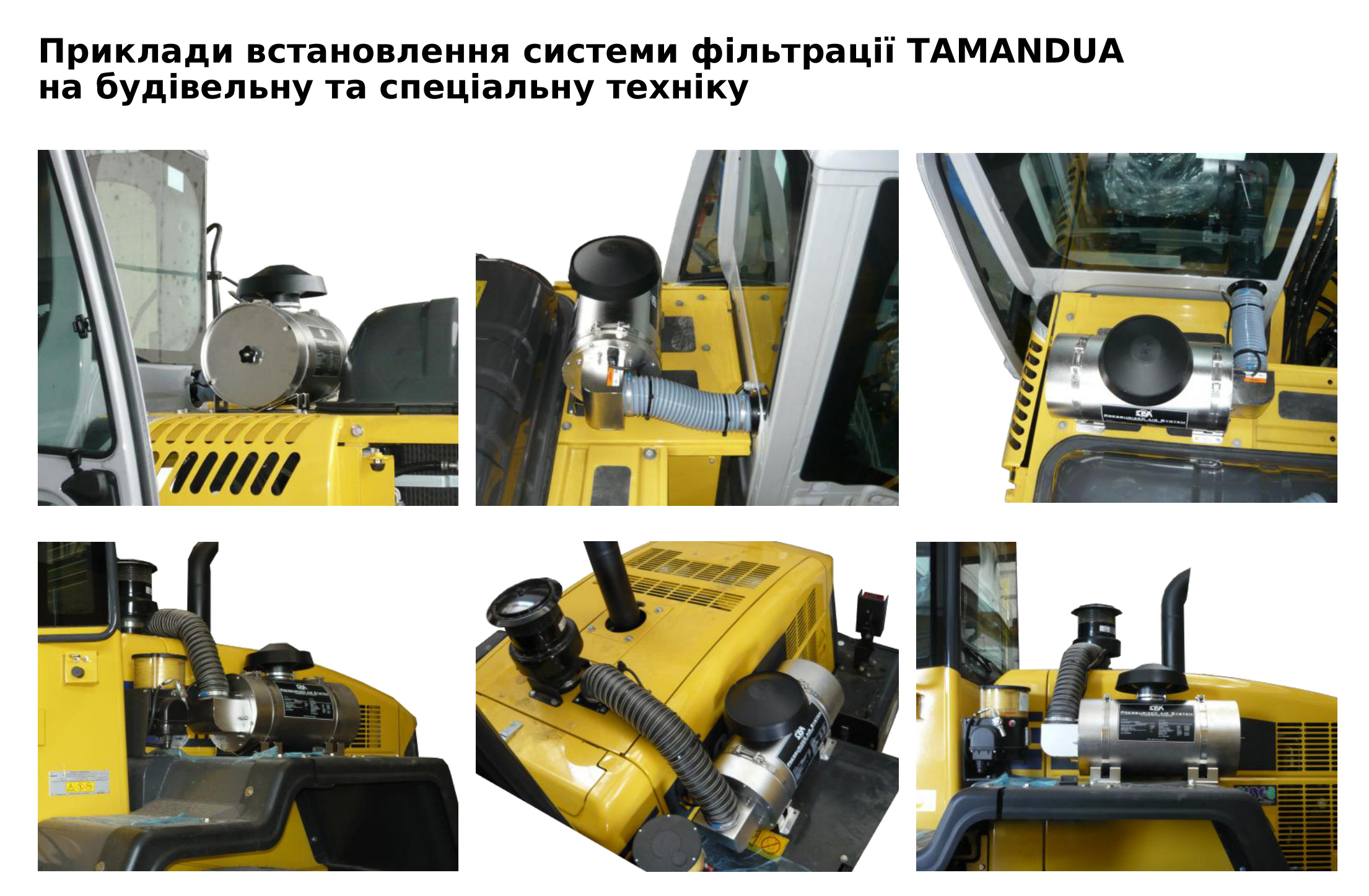
First, brackets are secured at the chosen location using the appropriate bolts, washers and nuts. AUTOCLIMA recommends using anti-vibration mounts. Next, open clamps are fitted to the brackets, the unit is positioned within them, and the fastenings are tightened.
PLEASE NOTE! To ensure the cabin is properly pressurised, you must check its seals and close any service access points. This is essential for maintaining the required internal pressure.
How does the cabin filtration and pressurisation system work?
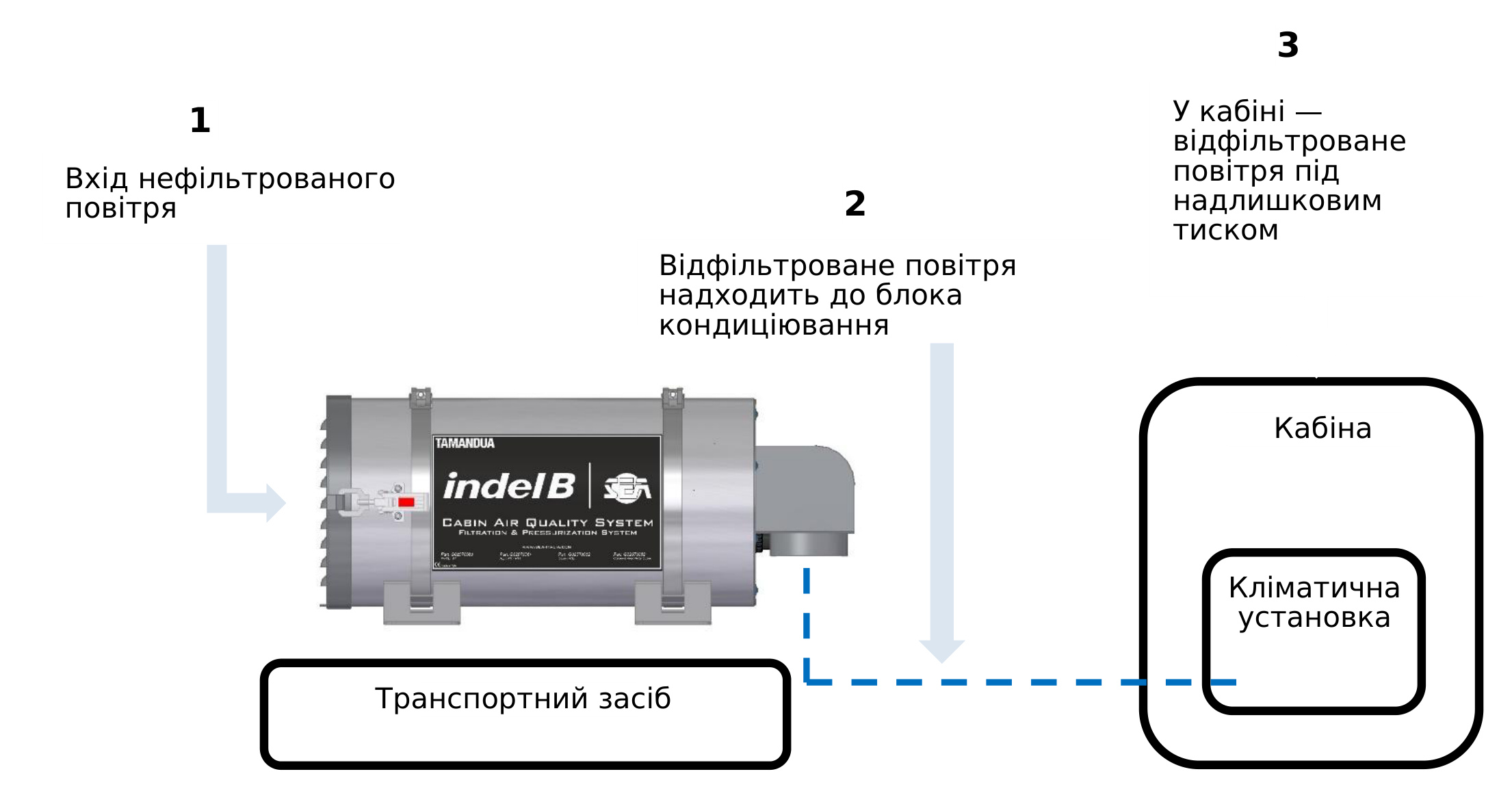
Outside air enters the TAMANDUA, passes through the filters, and is then drawn by a fan through an air duct to the vehicle’s air conditioning unit. From there, the purified air enters the cabin, creating positive pressure – higher than the outside pressure. This helps to limit the ingress of unfiltered air from outside.
Airflow diagram: outside air → TAMANDUA → air conditioning unit → cab.
The manufacturer recommends maintaining a pressure in the cab of between 50 and 150 Pa. Whilst the vehicle is in motion with the system switched on, this should not exceed 200 Pa.
To ensure the system operates correctly, the following factors must be taken into account during installation: available external space, the possibility of connecting to the air-conditioning unit, and the condition of the cabin seals.
What filters are used in TAMANDUA and how should they be selected?
The air undergoes two stages of filtration: a pre-filter made of M6-grade PES polyester in accordance with EN 779, and a main filter, available in three variants:
- Carbon – contains granular activated carbon.
- HEPA – uses glass microfibre to trap fine particles.
- Combined HEPA + carbon – combines both filter materials.
The filter should be selected according to operating conditions and the nature of the contaminants. For use with specific chemicals, its suitability must be confirmed in accordance with the manufacturer’s recommendations.
How often should TAMANDUA filters be replaced?
The manufacturer recommends replacing dust filters approximately every 6 months, and activated carbon filters every 3 months. However, the service life of any filter must not exceed 150 hours of operation, even if the specified time period has not yet elapsed. This restriction also applies to the combined filter, for which no specific time period is stated.
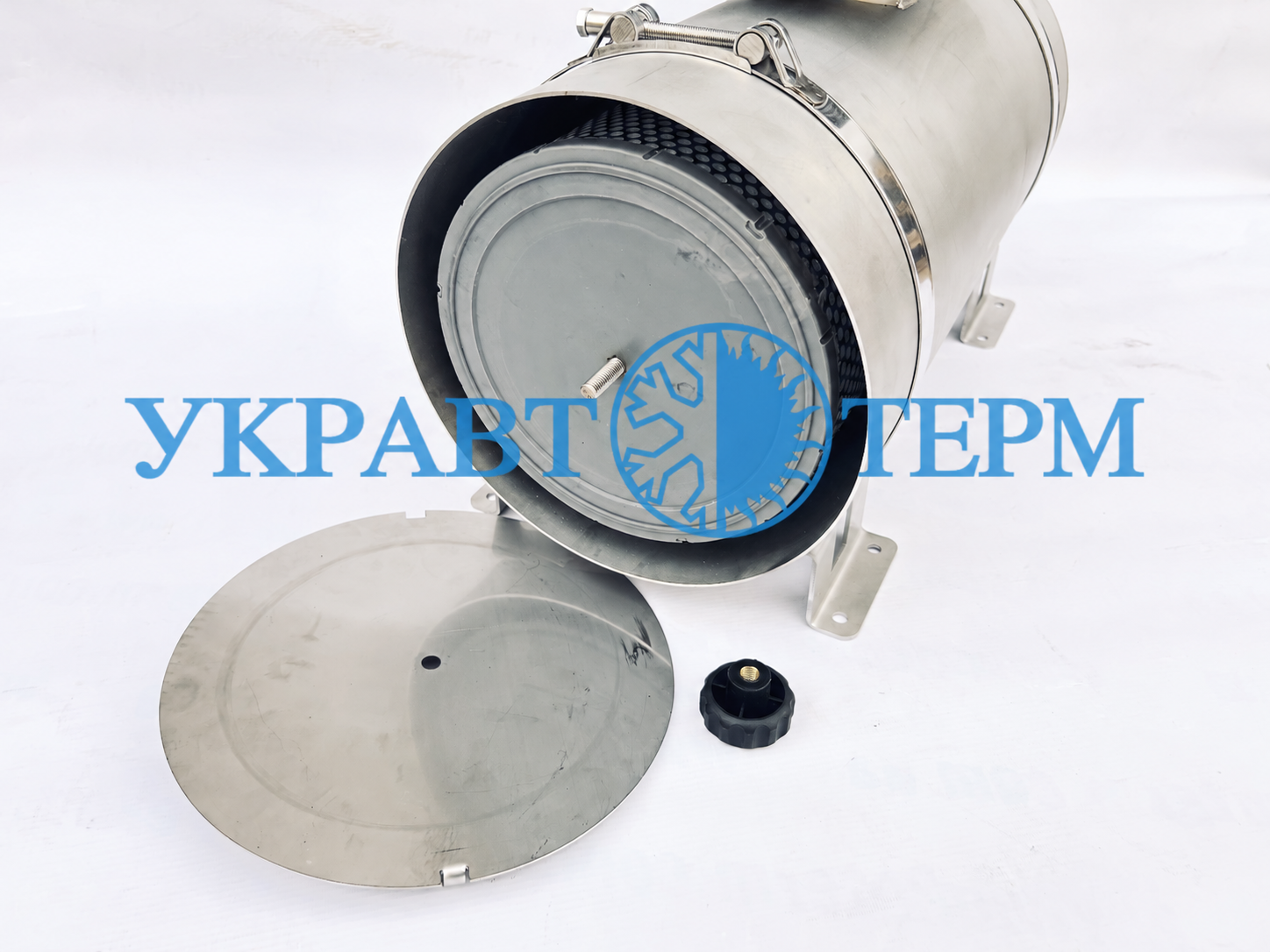
In cases of high air pollution, replacement may be required sooner. To access the filters, open the housing latches, remove the cover, unscrew the retaining knob and remove the pressure plate, then take out the pre-filter and main filter.
What does the 150-hour filter operating limit mean?
The manufacturer sets the maximum operating time for any type of filter at 150 hours. For example, if the system operates for 8 hours a day, this limit will be reached on the 19th day.
Therefore, during intensive use, one should not rely solely on the specified three or six months. The filter must be replaced no later than when 150 hours of operation are reached, and in highly polluted environments – earlier if necessary.
How does the TAMANDUA monitor control the pressure, and what should be done if it drops?
The TAMANDUA can be optionally fitted with the AA0011ES cabin pressure monitor, which operates on 12 V or 24 V. It displays the pressure on the screen and alerts the operator to any excessive drops or rises.
If the pressure drops, the first thing to do is to check the cab seals and look for any open gaps through which air might be escaping. If the reading approaches the lower limit of the operating range, the manufacturer also recommends checking the filters and replacing them if necessary.
The pressure monitor helps to detect changes in pressure in good time, but does not identify the cause – to do this, the system must be checked.
How is the pressure monitor installed?
The display unit is positioned inside the cab, in a location clearly visible to the operator. Two tubes are used for measurement:
- the internal pressure tube remains inside the cab;
- the external pressure tube is routed outside, with its opening pointing downwards to prevent liquid and dirt from entering.
In this way, the device receives data on the pressure inside and outside the cab. The monitor is supplied with cables for connecting the appropriate three-pin connector.
Does TAMANDUA cool the air?
TAMANDUA performs filtration, forced air supply and cabin pressurisation. According to the manufacturer’s diagram, purified air flows from TAMANDUA to the vehicle’s air-conditioning system. It is this system that provides further cooling or heating, depending on its design and operating mode. TAMANDUA complements the air-conditioning system but does not replace the air conditioning.
When you choose AUTOCLIMA TAMANDUA, you are getting a product of European origin, whose reliable reputation has been proven over years of operation in the most challenging conditions. UKRAVTOTERM, as experts in the field of HVAC systems, provides not only high-quality sales but also certified installation with full warranty support and a stock of genuine spare parts at our warehouse in Kyiv.
Would you like a professional solution for your equipment? Please contact our specialists for advice on the following numbers:
+38(044) 492-04-20; +38(067) 440-55-92; +38(050) 312-49-09


 ukravtoterm@gmail.com
 +38 (044) 492-04-20
 Kyiv, st. Avtoparkova, 5